

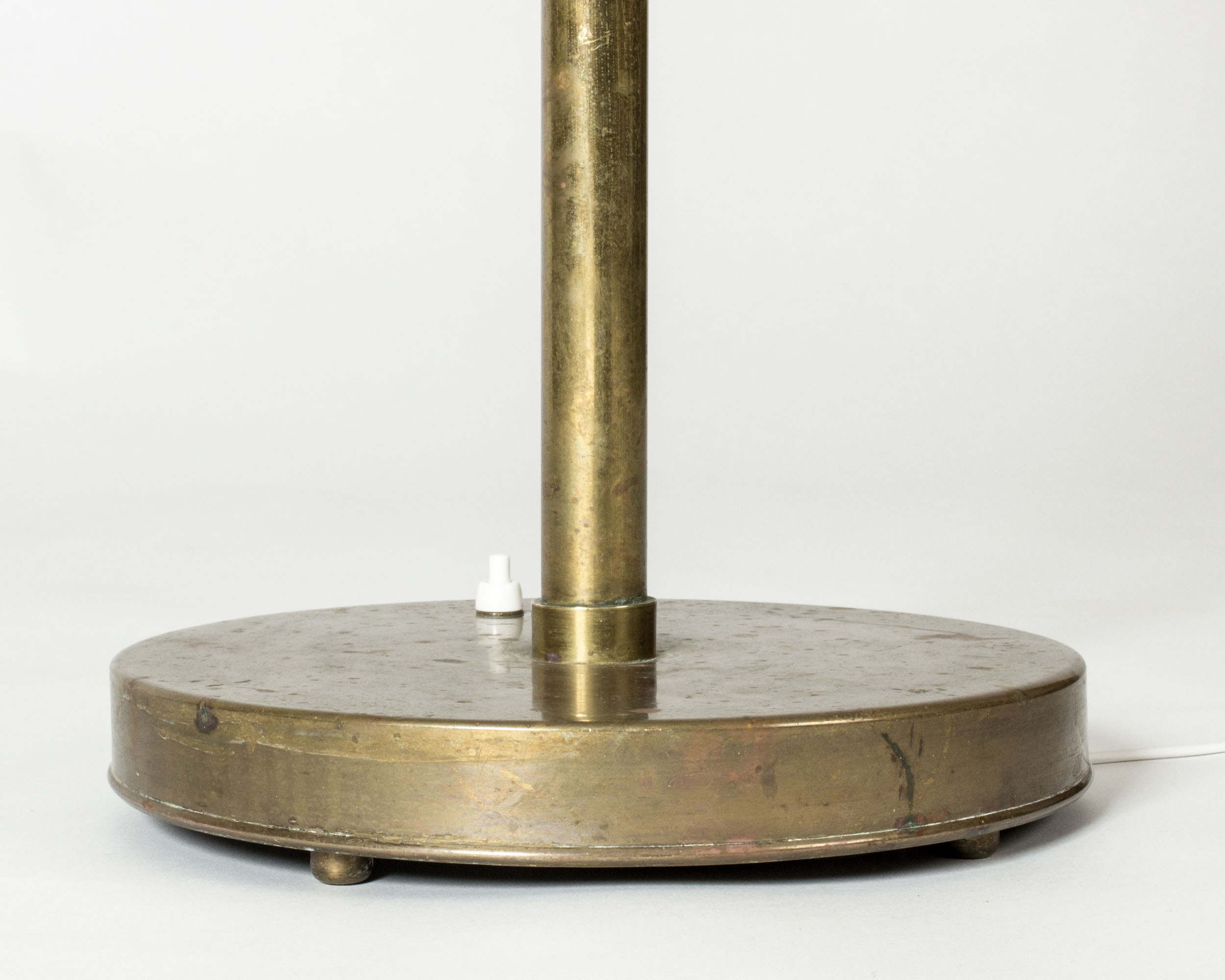

More about the item
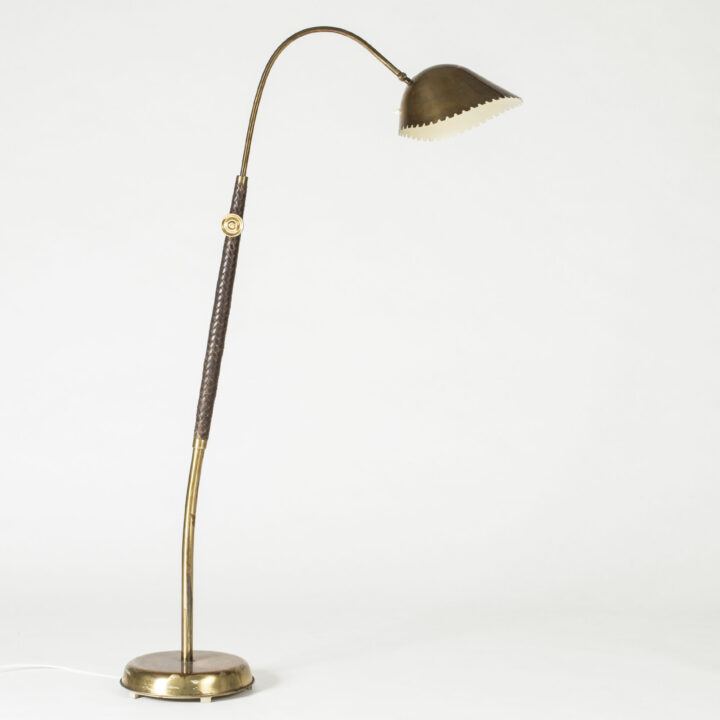
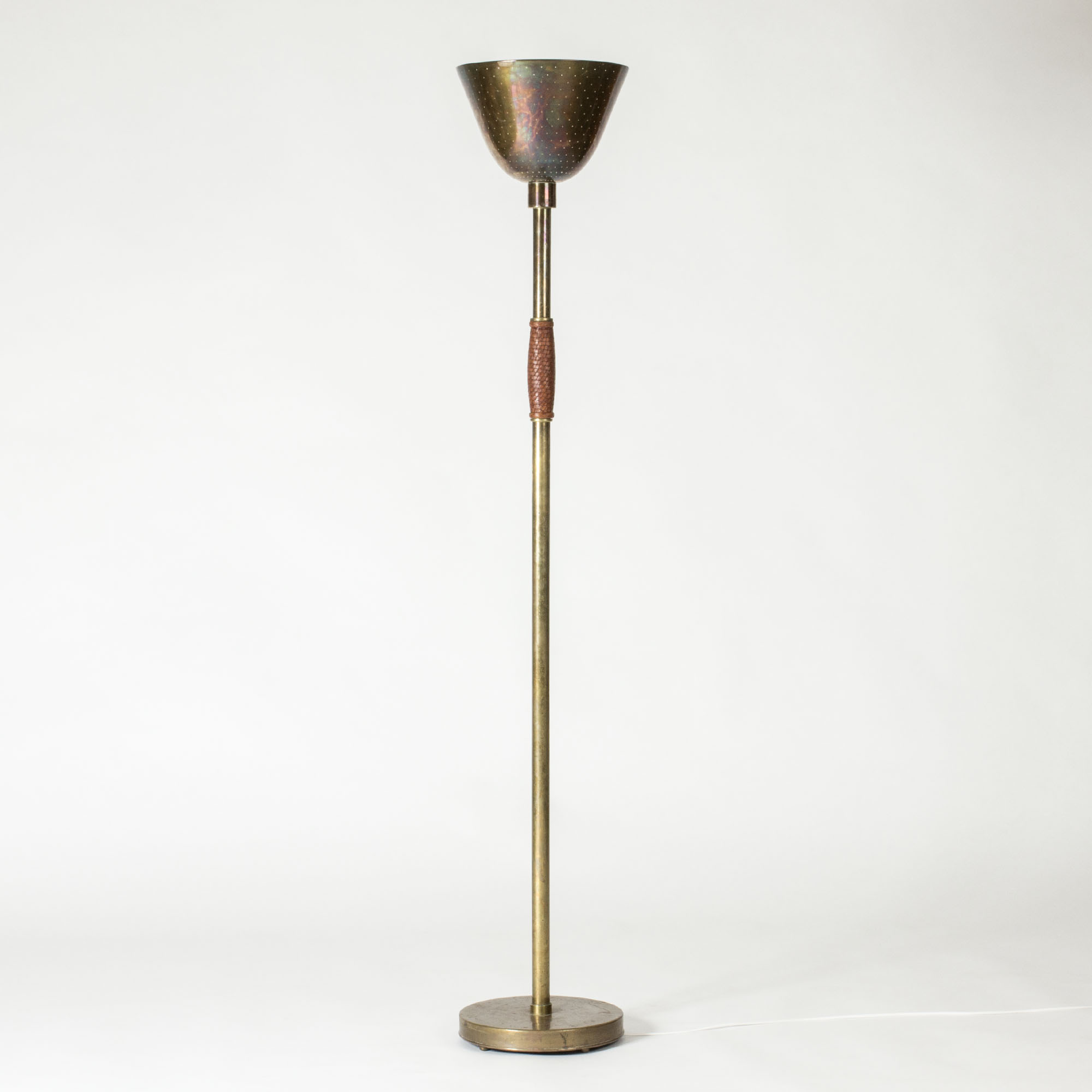
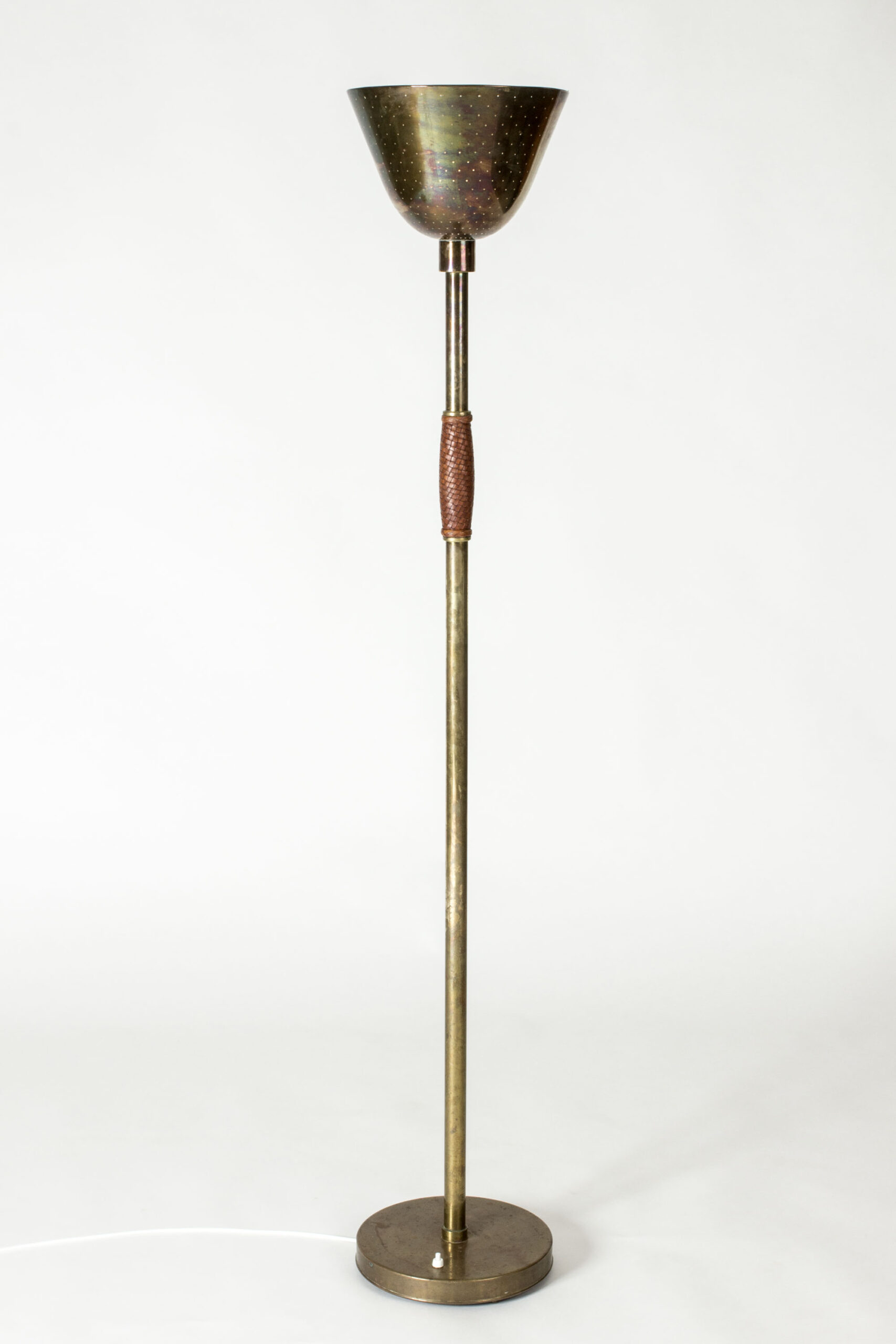
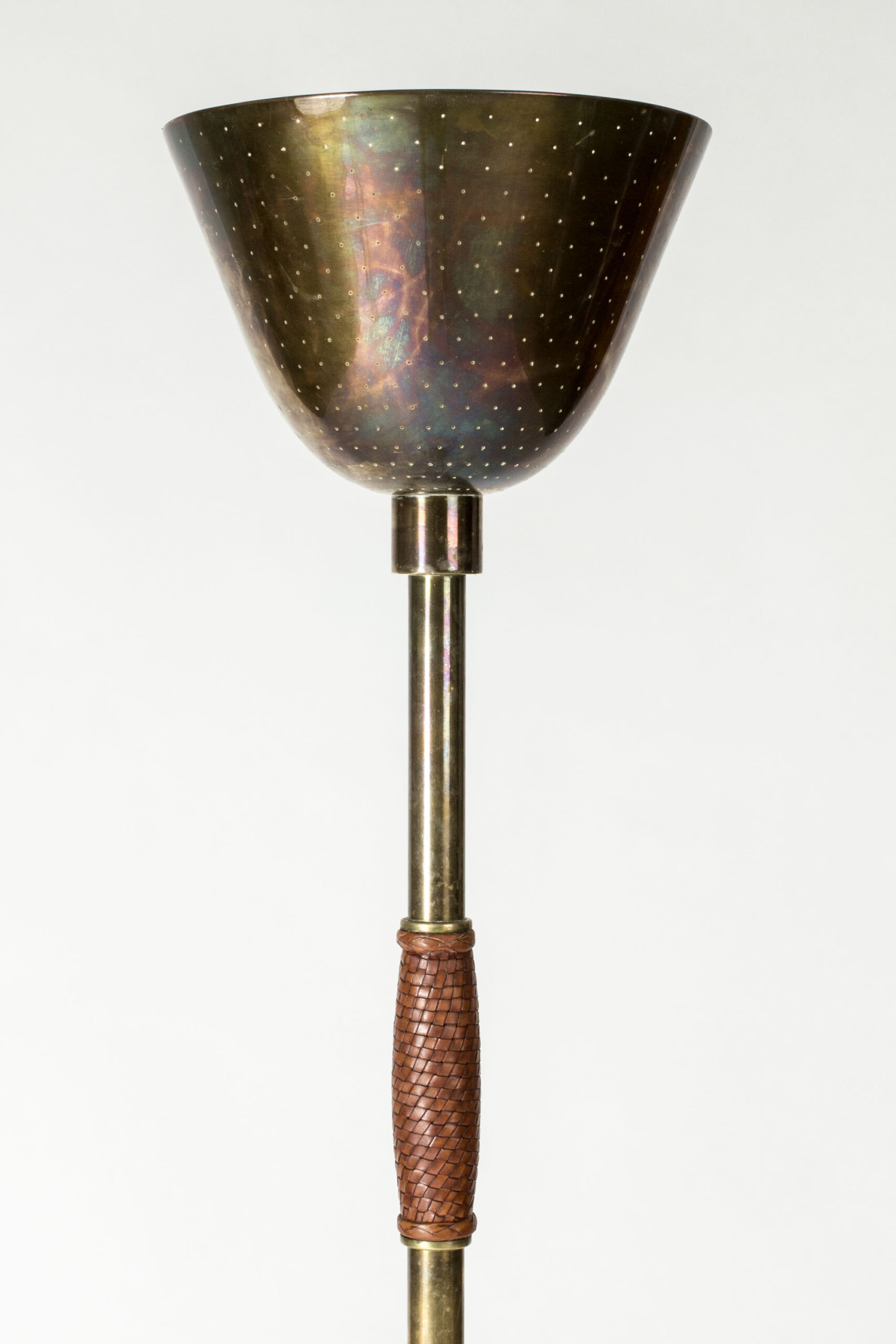
Carl-Axel Acking was a Swedish architect, furniture designer and professor of design at the University of Lund. He started his career as assistant to the Swedish master architect Gunnar Asplund, who defined the Swedish expressions of both classicism and functionalism in the 1920s, establishing the tone for future architects and designers. Acking was Asplund’s senior assistant of furniture design and as such designed the iconic interiors of World Heritage Site Skogskyrkogården in Stockholm and of the addition to Gothenburg Court House in the late 1930s.
Carl-Axel Acking went on to work on his own, participating in the World Exhibition of 1939 in New York, where the Swedish delegation launched the concept of Swedish Modern. This entailed a crisp new take on modernism with Acking and Josef Frank as central contributors and the Swedish exhibit became a great success. Acking subsequently became the most sought-after interior architect in Sweden, designing interiors for embassies, government buildings and other public spaces. He also designed furniture for major firms such as Nordiska Kompaniet (NK) and Bodafors, creating the most notable handcrafted furniture of the 1930s to 1950s. He was also Head Teacher of Furniture Design at Konstfack, thus deeply influencing the next generation of Swedish modernists, among them John Kandell. In 1955 Acking was Head Architect of the iconic Helsingborg Exhibition, H55, which marked the end of Swedish Modern and set the tone for the future, graphic post-war industrial design of Scandinavia. Carl-Axel Acking became professor of architecture at the University of Lund in 1964 and directed his own architectural firm in Lund into the 1980s.